Table of contents
Airfares soften, hotel rates loosen, and the same landmarks suddenly feel breathable: off-season travel is no longer just a hack for the budget-minded, it is reshaping how places are managed, marketed, and experienced. From European city breaks in January to shoulder-season nature trips in early spring, demand is spreading beyond peak weeks as climate patterns, remote work, and overtourism debates push travelers to rethink “best time to go”. The result is a quieter, often cheaper trip, and destinations that are learning to operate year-round.
When the crowds thin, cities breathe
What if the best version of a famous place is the quieter one? In peak season, the numbers can be punishing, and they do not only strain visitors’ patience, they also hit residents’ daily life and municipal services. Venice, a symbol of overtourism, registered roughly 5.7 million tourist arrivals in 2023, according to the city’s widely cited monitoring data, and authorities have introduced measures such as an access fee on certain high-traffic days to manage flows. Barcelona has reported record visitor spending in recent years, yet its civic debate has increasingly focused on the costs of crowding, housing pressure, and public space saturation. In Amsterdam, the municipality has openly pursued “stay away” messaging for nuisance tourism and tightened rules around short-term rentals and cruise activity, reflecting a broader European shift: the question is no longer how to attract visitors, but how to host them without breaking the social contract.
Off-season trips change that equation in a very tangible way, because the same infrastructure suddenly catches up with demand. Public transport runs with more capacity, museums become visitable without the long, shoulder-to-shoulder queues, and restaurants have time to explain a menu rather than rush a table. Crucially, residents notice the difference, and that matters for political legitimacy, because destinations that can smooth peaks and fill troughs are more likely to keep tourism acceptable. For travelers, it can feel like access to the “real” city: a conversation at a market, a seat at a small counter, a neighborhood street that is not a moving wall of selfie sticks. That sense of regained intimacy is not a romantic fantasy; it is often the simple arithmetic of visitor density, and off-season demand is one of the few levers destinations can pull without building more and more capacity they do not want.
Prices drop, but so do expectations
The bargain is real, but it comes with trade-offs. Airlines and hotels rely on yield management, and off-peak weeks are typically priced to stimulate demand, especially when business travel is weak or when a destination is weather-dependent. In Europe, the pattern is most visible in the shoulder months, when flights can be hundreds of euros cheaper than the summer peak, and lodging discounts appear not only in room rates, but also in “stay longer” offers that make a four-night trip cost closer to three. The broader travel economy has also been normalizing flexibility, with remote and hybrid work enabling midweek departures and longer stays that avoid the traditional Friday-to-Sunday crunch.
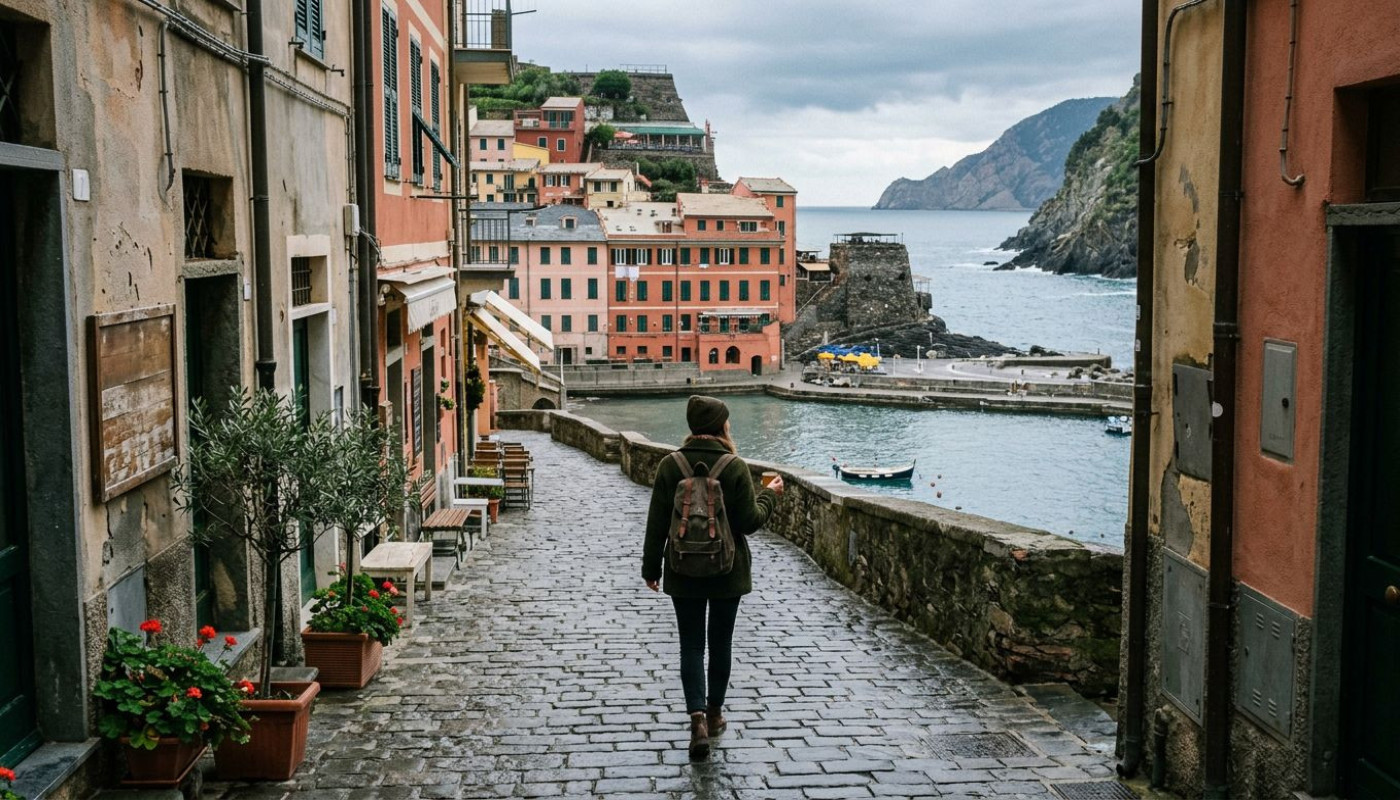
Yet lower prices are not a magic wand, because off-season travel also lowers certain expectations, and travelers who treat it like peak season often end up disappointed. Some attractions run shorter opening hours, some tours do not operate daily, and restaurants in small towns may close for a few weeks, especially in places where tourism is intensely seasonal. Weather, of course, is the most obvious variable, and it shapes what “value” means: a city break in February can be a cultural feast with a damp coat and early sunsets, while a coastal destination may look dramatic and moody but not swimmable. The smartest off-season travelers do not chase the same postcard; they build a different itinerary, prioritizing indoor culture, food, local events, and experiences that thrive in cooler, quieter conditions. That shift in mindset is precisely how off-season trips transform destinations, because it diversifies the product, spreads revenue across more businesses, and reduces the pressure to squeeze every euro out of a short peak window.
Nature destinations get a second rhythm
Some places are learning to live beyond a single season, and the implications go beyond tourism marketing. In nature-led destinations, peak season often overlaps with the most fragile ecological periods, and concentrated visitation can accelerate trail erosion, wildlife disturbance, and waste management challenges. National parks in the United States, for example, have repeatedly reported record visitation in recent years, and managers have expanded timed-entry systems and shuttle networks to protect resources and keep traffic moving. The logic is straightforward: when everyone arrives at once, the landscape pays the price, and the visitor experience deteriorates at the same time.
Off-season and shoulder-season demand can create a second rhythm, and that matters particularly in places where the environment is part of the “asset”. Iceland is a telling case, because it sits at the crossroads of booming demand, sensitive ecosystems, and rapidly changing weather patterns. The country welcomed about 2.2 million foreign visitors in 2023, according to Icelandic tourism authorities, a striking figure for a nation of roughly 390,000 residents; that ratio is one reason why infrastructure, safety messaging, and dispersal strategies have become central topics. Shoulder months can reduce bottlenecks at marquee sites, and they can encourage travel styles that fit the season better: geothermal pools, food culture, city walks, and guided excursions designed around daylight and road conditions. Planning matters more, and so does local expertise, whether it is for winter driving realities, variable storms, or the simple fact that conditions can change quickly outside a capital region. For travelers mapping an off-peak trip, practical information and on-the-ground options are often consolidated through specialist operators and itineraries such as https://www.reykjavik-trip.com/, which can help translate a seasonal destination into a safe, coherent plan rather than a series of wish-list pins.
Year-round tourism forces better choices
The uncomfortable question is this: do destinations really want visitors all year? Off-season travel sounds like an unalloyed good, but a year-round model can also create new tensions, especially around labor, housing, and the character of neighborhoods. When tourism becomes constant, short-term rentals can swallow long-term housing stock, service jobs can become permanent but low-paid, and the sense of “pause” that communities rely on can disappear. That is why some cities have been tightening rules on vacation rentals, limiting cruise calls, and pushing visitors toward less saturated areas. In other words, smoothing demand is not only about attracting people in November, it is also about governing where they go, how they behave, and what kind of economy tourism is allowed to create.
Still, off-season demand can be a powerful tool when it is guided well, because it supports stable employment, keeps restaurants and cultural venues open longer, and reduces the boom-bust cycle that burns out workers and owners alike. It can also change the visitor mix: families tied to school calendars dominate peak summer, while shoulder months often bring couples, solo travelers, and remote workers who stay longer and spend differently, sometimes with a stronger interest in local culture than in rapid sightseeing. Destinations that succeed in this transition typically do three things at once: they invest in year-round infrastructure, they communicate season-specific realities honestly, and they build products that fit the season rather than fighting it. The payoff is not merely fewer queues; it is a tourism model that feels less extractive, more predictable, and easier to integrate into daily life, which is ultimately the only sustainable path for the world’s most popular places.
Planning an off-season trip, without surprises
Book early, but book smart. Off-season does not always mean unlimited availability, because some hotels close for refurbishment, flights can be less frequent, and the most sought-after guides still fill up, particularly around holidays and weekend spikes. A realistic budget should include weather buffers, such as taxis when public transport is reduced, paid indoor alternatives when conditions turn, and travel insurance that matches the season’s risks. If you are renting a car in winter-prone regions, factor in higher insurance tiers and the cost of proper equipment, and do not assume your summer driving habits translate cleanly into snow, ice, or high winds.
Look for public support where it exists. Some destinations promote off-peak travel with city passes, museum bundles, rail discounts, and regional campaigns designed to spread demand; travelers who take the time to check official tourism boards and transport operators can often unlock meaningful savings. The best off-season trips are not improvised, they are adapted: fewer “must-do” stops, more time in each place, and a plan that treats seasonality as part of the story rather than an obstacle.
On the same subject

Unexpected Lessons Learned From Local-led Adventures
Are Classic Destinations Overrated For Experiential Travelers?

Rethinking Travel Prep: Do Travelers Really Need Rigid Itineraries?

Is Spontaneity The Ultimate Travel Advice? Stories From Those Who Ditched The Plan
