Table of contents
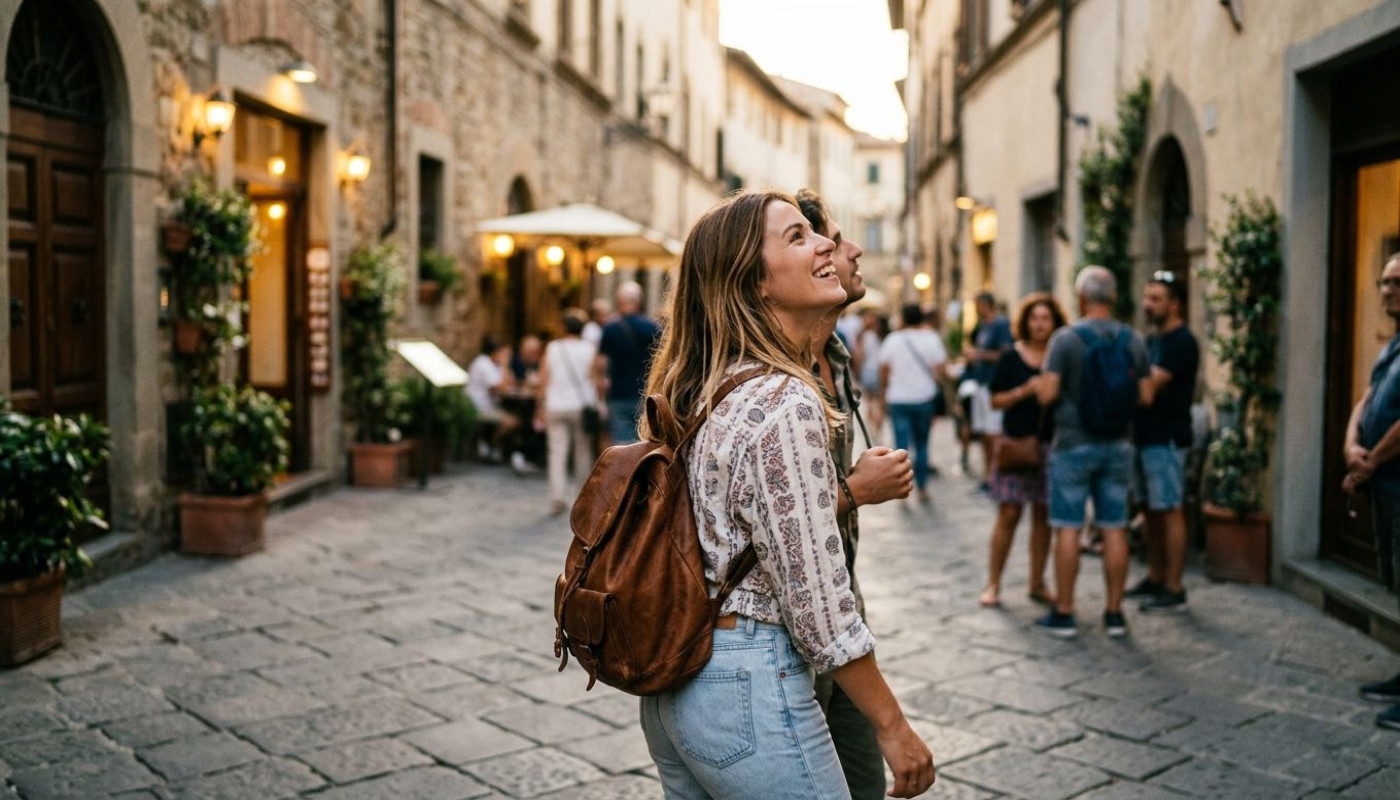
Book the flight first, figure out the rest later: it sounds like a cliché, yet in 2024 and 2025, it has quietly become a countertrend to hyper-optimized travel. With airfares still volatile, heatwaves reshaping summer routes and social media rewarding “unplanned” authenticity, more travellers are ditching spreadsheets for instinct. But does spontaneity actually deliver better trips, or simply different risks? Data, industry signals and first-hand stories suggest it depends less on luck than on what you leave flexible, and what you lock in.
When the plan collapses, the trip begins
Ask people why they travelled “spontaneously” and the answer is often blunt: they did not set out to be romantic, they ran out of patience. After years of refundable tickets, shifting entry rules and last-minute cancellations, some travellers have internalised a simple rule, control what you can, improvise the rest. Airlines and booking platforms have not missed the shift, they now market flexibility almost as aggressively as price, while travellers, burned by uncertainty, have learned to treat rigid itineraries as a liability rather than a safeguard.
Industry data backs up the sense that planning has become more tactical. Mastercard Economics Institute, in its 2024 Travel Trends reporting, flagged that travellers increasingly prioritise experiences over goods, while destinations and trip timing are more fluid when prices spike; Skyscanner’s 2024 Travel Trends also highlighted a continued appetite for “anywhere” searches and flexible-date browsing. These are not just search quirks, they reflect a mindset: lock in the time off work, then let the destination float until the numbers, weather and mood align. Yet spontaneity, in the real world, is rarely total. Even travellers who “ditch the plan” tend to anchor the first night, the first transit leg and a handful of non-negotiables such as insurance and emergency cash, because improvisation works best when you build it on a stable base.
The most convincing stories of unplanned travel share the same trigger: a disruption that becomes an opening. A delayed train turns into a day in a city you never meant to visit, a fully booked coast pushes you inland, an overhyped museum line convinces you to wander side streets instead. The psychological payoff is real, because the traveller stops measuring the day against a checklist, and starts noticing what is in front of them. But the collapse of the plan can also expose weak points, especially for families, for people with medical constraints or for those travelling in peak season, when availability disappears quickly. Spontaneity is not a personality trait; it is a risk profile, and it changes with context.
The hidden math behind “last minute”
Spontaneous travel sells a fantasy of cheap deals, but pricing is more complicated, and in many cases less forgiving than it used to be. Airfare analysts have long noted that last-minute international tickets are often expensive, particularly on constrained routes, while the sweet spot for domestic travel can vary by market; the point is not that “last minute is bad”, but that it is unpredictable, and unpredictability is what algorithms monetise. Google’s travel tools, airline revenue management systems and hotel dynamic pricing all respond to demand signals in real time, so the traveller who waits might win, or might pay a premium for the same seat and the same room.
Hotels show the same pattern. In major European cities, a late booking can be reasonable on a quiet Tuesday in November, and punishing on a sunny Saturday in June. Meanwhile, short-term rentals have added cleaning fees and minimum-stay rules that make “one more night” less simple, and in many destinations local regulations have reduced inventory, tightening supply. The practical result is that spontaneous travel is easier when you can tolerate trade-offs: a smaller room, a different neighbourhood, a later train, or a restaurant you did not save on a map. If you need a specific view, a specific hotel or a specific flight time, you are no longer being spontaneous, you are being late.
Yet the math can still work, and it often works through structure rather than chance. Travellers who build flexibility into the skeleton of a trip can chase good value without gambling everything. That might mean booking transport with changeable fares, choosing destinations with dense accommodation options, or travelling in shoulder season when supply is not instantly swallowed by demand. It can also mean using rail networks where frequency is high and penalties are lower, which is why last-minute improvisation feels more natural in places like Italy, Spain, Germany or Japan than on island routes with limited daily flights.
Budgeting for spontaneity, paradoxically, also requires a plan. People who pull it off tend to allocate a “decision fund” for the moments when they want to say yes, to a concert, a better room, a day trip, a taxi after midnight. Without that cushion, spontaneity becomes stressful, and stress produces the worst kind of impulse spending, the kind that solves immediate discomfort rather than creating memorable experiences. The hidden math is not just the price of transport, it is the cost of keeping options open.
Spontaneity rewards the well-prepared
Here is the uncomfortable truth that seasoned travellers repeat, sometimes with a smile: the best unplanned trips are made by people who quietly prepare. They do not necessarily book every hour, but they carry the essentials, they know how to move, and they understand the local constraints that can derail an “I’ll decide tomorrow” approach. Health and safety are part of that preparation, not as paranoia but as competence. Travel insurance, copies of documents, an emergency contact plan and basic knowledge of local medical access are not glamorous, yet they are what allow you to take a detour without anxiety.
Information, too, becomes a form of freedom. If you understand seasonal patterns, local holidays and transport rhythms, you can improvise with confidence. Heatwaves and wildfire seasons have made this even more relevant, because climate-related disruption is no longer rare, and last-minute rerouting is sometimes a necessity rather than a choice. In the Mediterranean, for example, travellers increasingly adjust plans around extreme heat, seeking higher elevations, different coasts or different months, and that kind of responsive travel looks like spontaneity from the outside, but it is actually situational awareness.
The same goes for cultural and logistical basics. Cashless cities are common, but not universal; rural areas can still require cash, and mobile coverage can vanish at exactly the wrong moment. Knowing how to get a local SIM or eSIM, how to read transit apps offline, and how to navigate without draining your battery is what turns “let’s see where this road goes” into a safe choice instead of a reckless one. Travellers who are comfortable asking strangers for help, and who can accept a polite “no”, also tend to enjoy unplanned days more, because spontaneity is social as much as it is geographic.
There is also the question of where you improvise. Some destinations are naturally suited to wandering: compact cities, regions with frequent buses and trains, or places where accommodation is abundant across price points. Others punish improvisation, particularly those with limited infrastructure, strict permit systems or high seasonal crowding. That is why travellers who choose to “ditch the plan” often do it selectively, they might keep the first and last two nights fixed, then leave the middle open, and that middle becomes the playground. For inspiration and on-the-ground context about destinations and routes that can support flexible travel, some travellers browse resources like this original site, then adapt what they find to weather, budget and time.
The best stories come from saying yes
Spontaneity is not only about logistics, it is about permission. People remember the moment they agreed to join a stranger’s table at a crowded restaurant, the afternoon they skipped a “must-see” to follow local music into a side street, the morning they stayed in a town because the light was too beautiful to leave. Those stories sound cinematic, yet they often begin with something ordinary: you missed a reservation, or your museum slot sold out, or your phone died. The point is that unplanned travel creates space for serendipity, and space is what most itineraries quietly erase.
There is, however, a difference between spontaneity and aimlessness, and the best travellers learn it fast. Aimlessness can be exhausting, because every decision becomes a negotiation, where to sleep, what to eat, how to get there, and by late afternoon you are not free, you are depleted. Spontaneity works when you have a few guiding principles, a neighbourhood you like, a daily budget ceiling, a rule about transit times, and perhaps one anchor experience you truly care about. With that scaffolding, the day can unfold, and you still feel in charge.
Social media has complicated the picture. Platforms celebrate the “unplanned adventure”, yet the content is often carefully curated, and travellers sometimes chase spontaneity as a performance. The irony is that performing spontaneity tends to produce the same stress as overplanning, because you are still trying to control the outcome, only now the outcome is a story you can post. The more honest version is quieter: you accept that not every day will be perfect, you accept that you will miss things, and you trust that missing one famous sight might lead you to a better conversation, a better meal or a better understanding of a place.
Ultimately, spontaneity is a skill. It is the ability to make good decisions with incomplete information, to tolerate uncertainty without panic and to recover quickly when plans change. Travellers who develop that skill often report feeling more present, more curious and less consumed by “value for money”. They are not rejecting planning entirely, they are choosing what to plan, and letting the rest breathe, which is why their stories land so well when they come home.
How to travel freely, without wasting money
Book early what sells out, and keep the rest flexible, especially in peak season. Set a daily ceiling, then add a buffer for “yes” moments, and you will avoid panic spending when options narrow. Check cancellation rules before paying, compare rail and bus alternatives, and if public support exists locally, look up transport or museum discounts tied to age, residency or low season.
On the same subject
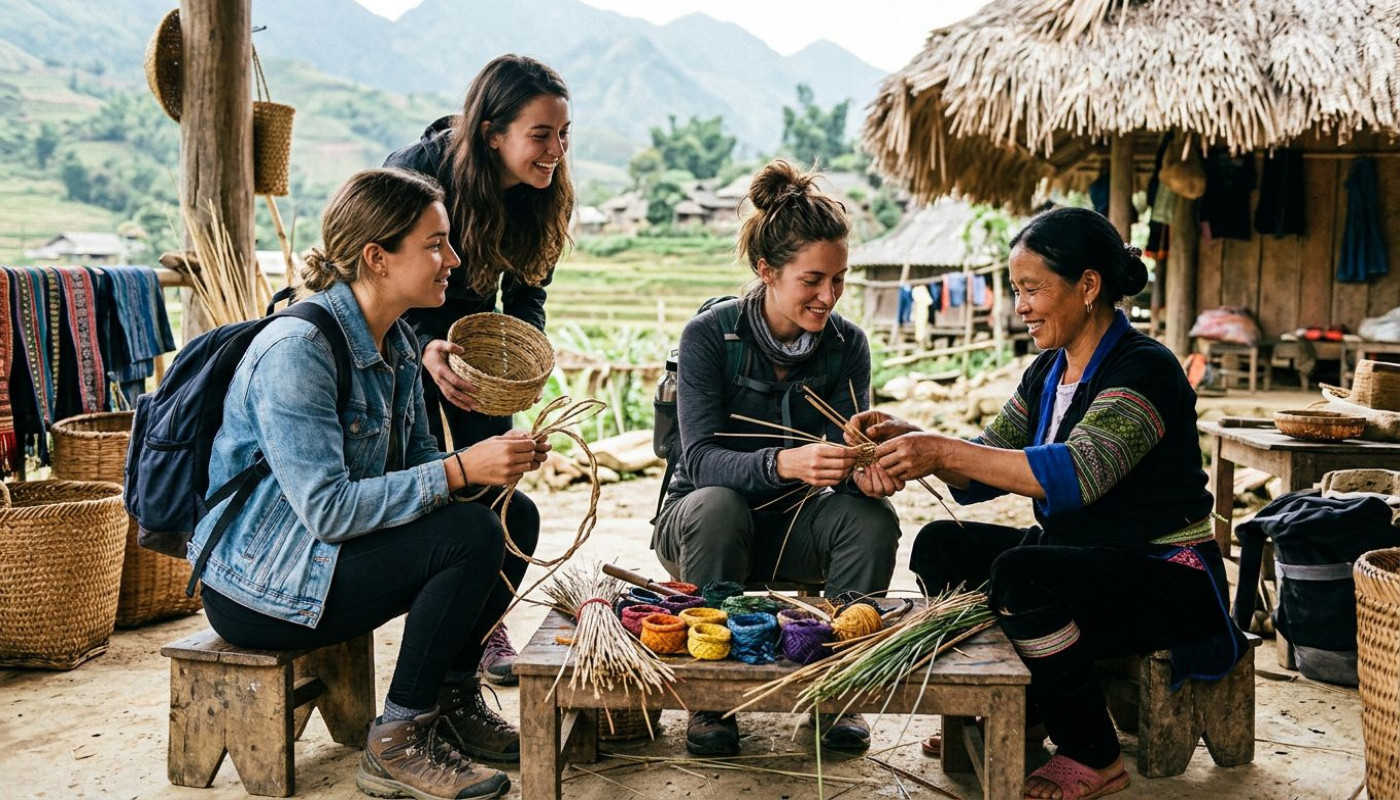
Unexpected Lessons Learned From Local-led Adventures
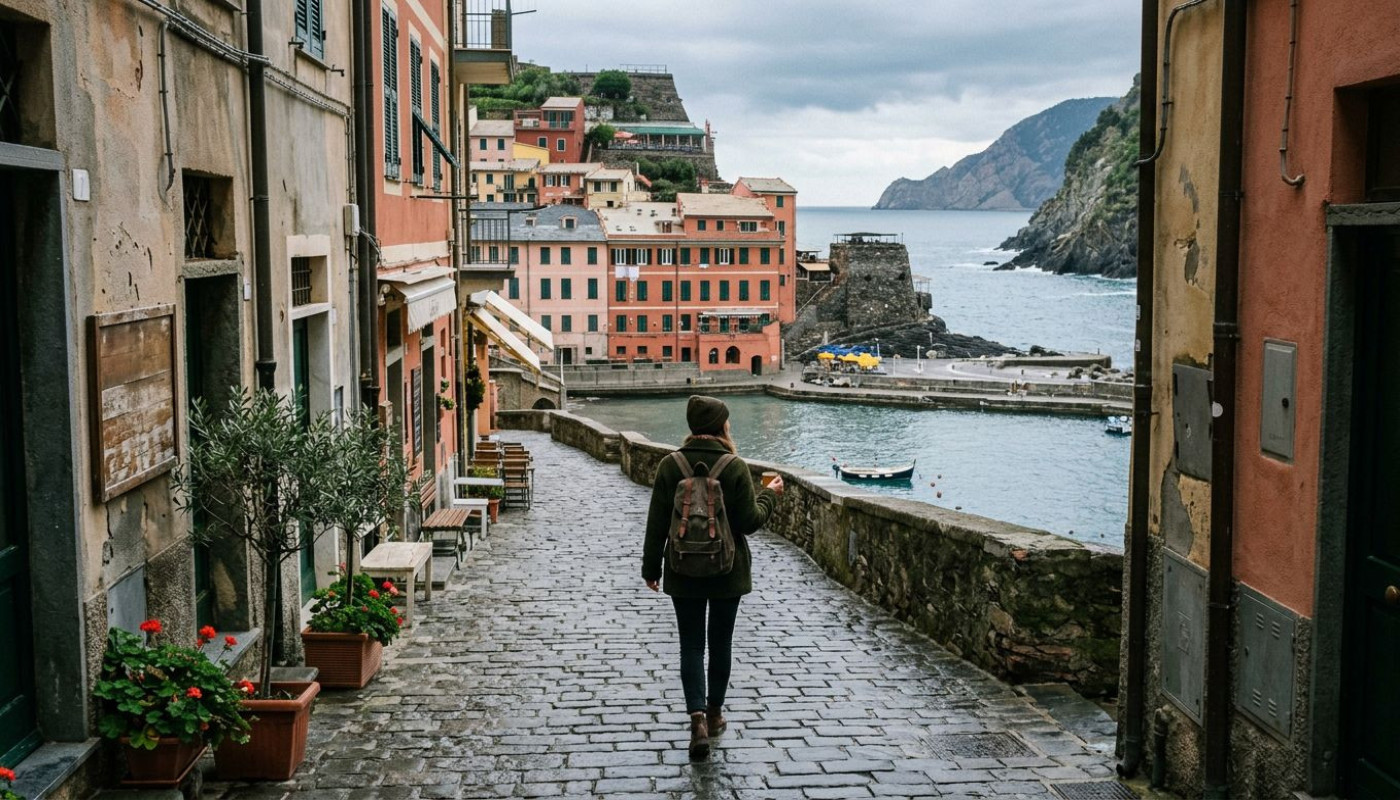
How Off-season Trips Transform Popular Destinations
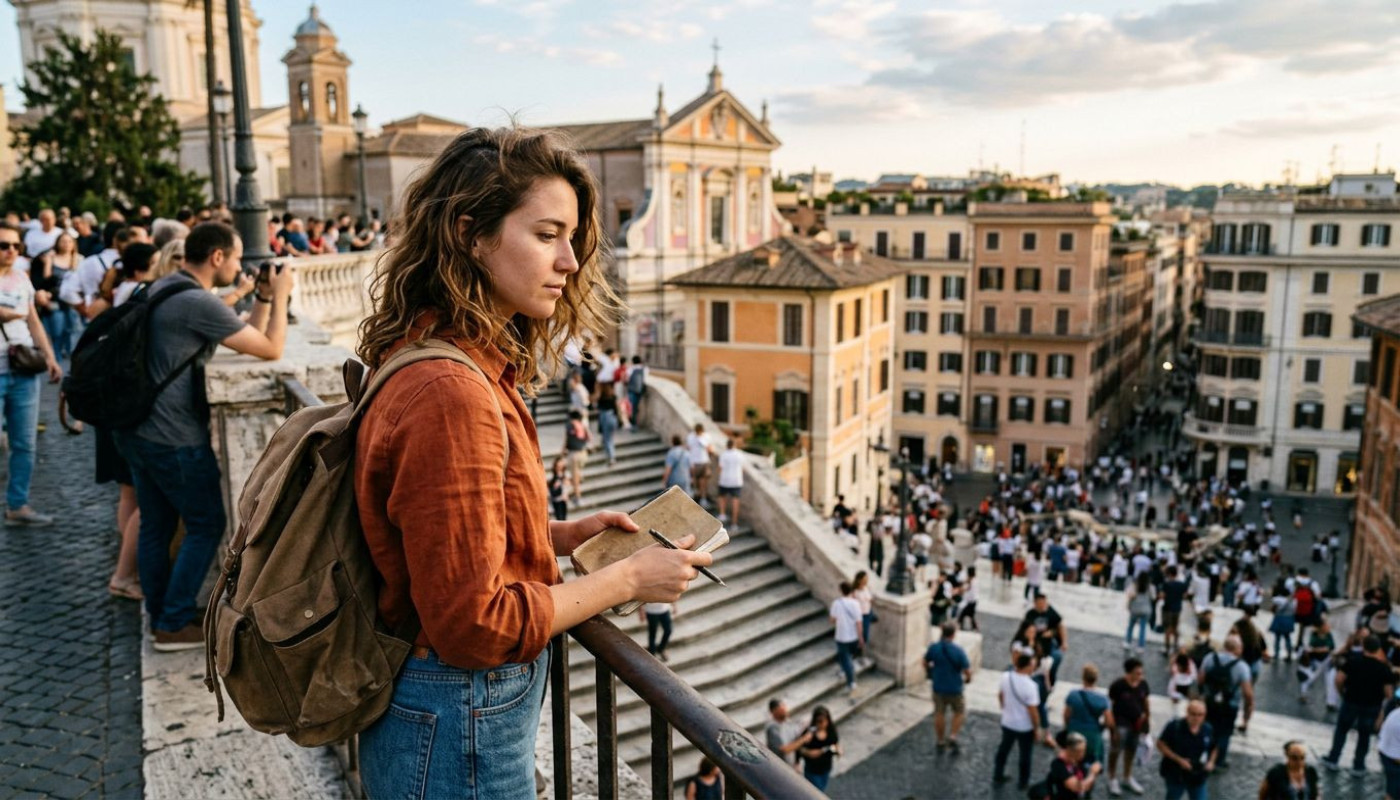
Are Classic Destinations Overrated For Experiential Travelers?

Rethinking Travel Prep: Do Travelers Really Need Rigid Itineraries?
